 Sleeping Too Hot
Cooling the Bed vs Cooling the Bedroom: Which Matters More?
By the Good Sleep team · October 22, 2026
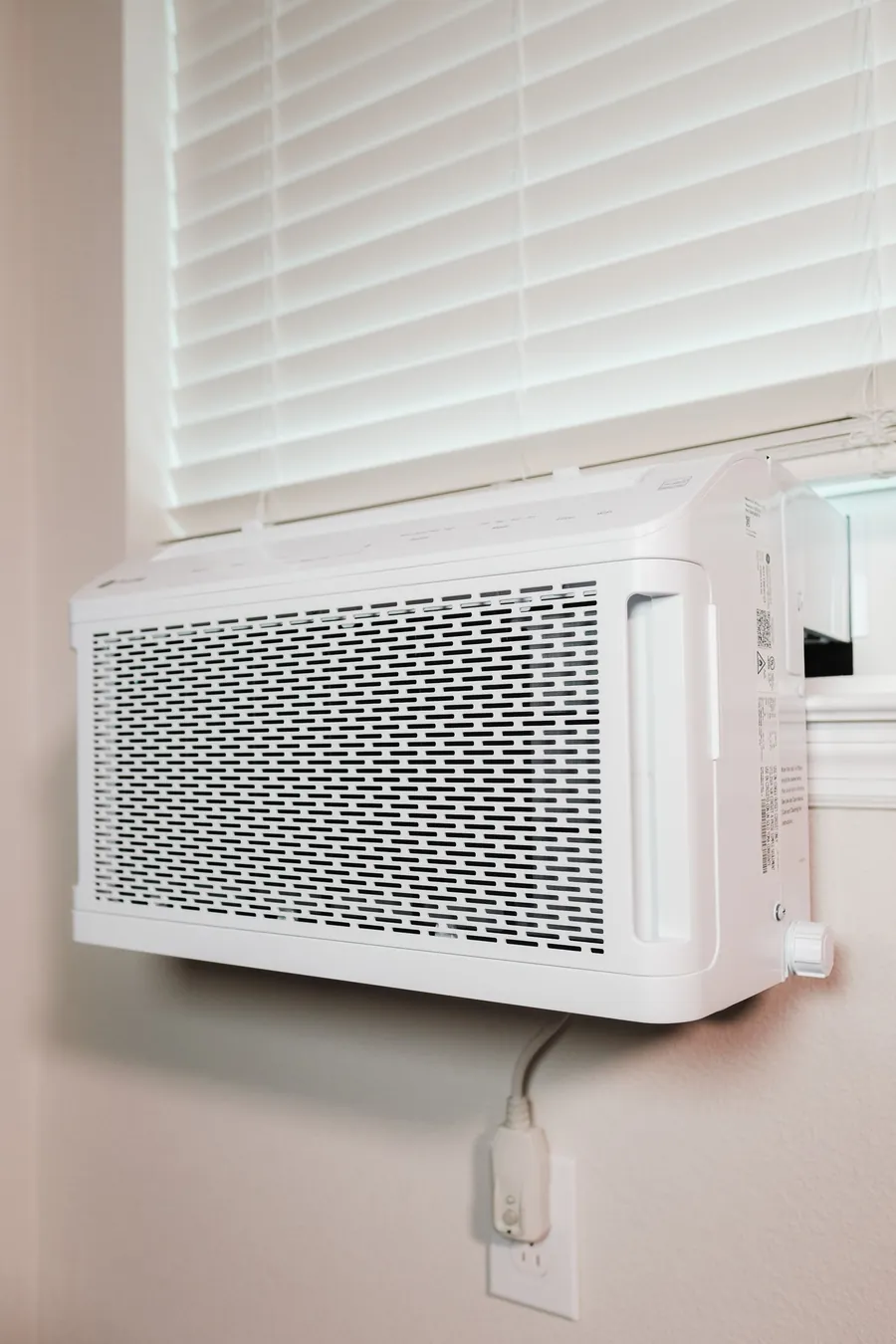
How room cooling works
Air conditioning and fans lower the air temperature or speed up evaporation from your skin. They help every part of you that's exposed. But much of your body is pressed against a mattress and covered by bedding, where heat builds up regardless of the air.
How bed cooling works
Passive options (gel foam, cooling fabrics) absorb some heat and feel cool at first. Active options pull heat away continuously. Good Sleep's topper, for instance, circulates water through micro-channels and holds a set temperature between 62°F and 110°F all night.
Side by side
- Comfort: bed cooling targets the warm spot; room cooling targets everything.
- Couples: room cooling is one setting for two people; dual-zone bed cooling lets each person choose.
- Noise: window AC units can be loud; Good Sleep describes its hub as quieter than a ceiling fan.
- Season: a system that also heats, like Good Sleep's, covers winter too.
The combination that works for most people
- Room in the 60s if you can manage it.
- Breathable bedding.
- A cool sleep surface for the heat that's left.
Good Sleep's own comparison of bed cooling and bedroom cooling goes deeper, and this guide covers the ideal bedroom temperature.
When to see a doctor
If you've cooled both the room and bed and still overheat or sweat heavily at night, see a doctor to rule out hormonal, thyroid or other causes.